
Island of the Blue Dolphins: A Comprehensive Exploration
Island of the Blue Dolphins is readily available as a PDF download from the Internet Archive, offering access to various formats like EPUB and DAISY․
The University of California Press released a complete reader’s edition in 2016, also accessible digitally, alongside the original 1960 edition․
Progeny Press offers a printable PDF study guide, delivered immediately upon purchase, for enhanced literary analysis and comprehension․
Historical Context and Inspiration
Island of the Blue Dolphins draws significant inspiration from the true story of Juana Maria, the “Lone Woman” of San Nicolas Island, off the coast of California․ Her tale, documented by missionaries and early settlers in the 19th century, captivated Scott O’Dell and formed the bedrock of his novel․
The availability of the novel as a PDF, particularly the 2016 Complete Reader’s Edition from the University of California Press, provides access to extensive contextual materials․ This edition includes archaeological findings and detailed commentary relating to Juana Maria’s life and the indigenous Nicoleño people․ O’Dell undertook meticulous research, though he acknowledged taking artistic license to craft a compelling narrative․
The Internet Archive offers the original text in PDF format, alongside other digital versions, allowing readers to explore the story as it was first published․ Understanding the historical backdrop—the arrival of Russian seal hunters and the devastating impact on the Nicoleño population—deepens appreciation for Karana’s resilience and the novel’s poignant themes․ The PDF versions facilitate easy access to these crucial historical insights․
The Real-Life Lone Woman of San Nicolas Island
Juana Maria, the inspiration for Island of the Blue Dolphins, endured a solitary existence on San Nicolas Island for eighteen years, beginning in 1835․ Following a massacre of her tribe, the Nicoleño, by otter hunters, she was left alone after her brother’s death․ Accounts from the period, accessible through resources accompanying PDF versions of the novel, detail her remarkable survival skills․
The University of California Press’s Complete Reader’s Edition, available in PDF format, includes archaeological studies directly linked to the Lone Woman’s story․ These studies shed light on the Nicoleño culture and the environment she inhabited․ Initial interactions with her were documented by missionaries, though communication proved challenging․
Ultimately, Juana Maria was taken to the mainland in 1853, where she sadly died shortly after from dysentery․ The PDF resources available online allow for a deeper understanding of her tragic fate and the cultural loss represented by her isolation, enriching the reading experience of O’Dell’s fictionalized account․
Scott O’Dell’s Research Process
Scott O’Dell meticulously researched the story of Juana Maria, the Lone Woman of San Nicolas Island, before penning Island of the Blue Dolphins․ He drew heavily from historical accounts and anthropological studies, details often included in supplementary materials accompanying PDF editions of the book․
The Complete Reader’s Edition, published by the University of California Press and available as a PDF download, showcases O’Dell’s dedication․ It features drafts and commentary contextualizing his creative choices and highlighting his commitment to historical accuracy, despite fictionalizing elements․
O’Dell consulted archaeological reports, also referenced within the PDF’s contextualization section, to accurately portray the Nicoleño way of life․ He aimed to create a respectful and compelling narrative, balancing historical fact with imaginative storytelling․ Accessing these resources through PDF formats provides a deeper appreciation for O’Dell’s scholarly approach․
Plot Summary and Key Events
Island of the Blue Dolphins details Karana’s eighteen years of solitude after being left on San Nicolas Island; PDF versions contain the complete narrative․
The story follows her survival, resourcefulness, and adaptation, all fully accessible within the downloadable PDF study guide and novel formats;
Initial Island Life and Family Tragedy
Island of the Blue Dolphins begins with a seemingly idyllic existence for Karana and her family on the island, before the arrival of Aleut hunters dramatically alters their world․
The PDF versions of the novel, readily available through sources like the Internet Archive, vividly depict the Chumash people’s traditional lifestyle, their reliance on the sea, and their close-knit community․
This peaceful life is shattered by a conflict over otter pelts, leading to the hunters’ brutal attack and the subsequent decision for the villagers to leave the island․
However, Karana’s younger brother, Ramo, is accidentally left behind, prompting her courageous decision to remain with him, a pivotal moment detailed in every PDF edition․
Tragically, Ramo is killed shortly after, leaving Karana utterly alone, initiating her long and arduous journey of survival, a core narrative element preserved in all digital formats․
The initial chapters, easily accessible in PDF format, establish the foundation of Karana’s character and the heartbreaking circumstances that define her isolated existence․
Karana’s Struggle for Survival
Following her brother’s death, Karana’s relentless fight for survival dominates Island of the Blue Dolphins, vividly portrayed in every available PDF version․
The narrative details her resourcefulness in constructing shelter, crafting tools, and securing food sources – skills essential for enduring years of solitude․
PDF readers witness her mastery of hunting, fishing, and gathering, showcasing her deep connection to the island’s natural resources and her adaptability․
She faces constant threats from wild animals, including the formidable pack of wild dogs, a recurring challenge meticulously described in the text․
The digital editions, including those from the Internet Archive and University of California Press, emphasize Karana’s emotional resilience alongside her physical endurance․
Her journey is not merely about physical survival, but also about maintaining her spirit and finding meaning in isolation, a theme powerfully conveyed in the PDF format․
The complete reader’s edition PDF provides further context and analysis of Karana’s remarkable perseverance․
Building Shelter and Finding Food
Island of the Blue Dolphins, readily available as a PDF, meticulously details Karana’s ingenuity in establishing a secure existence on the island․
Initially, she constructs a shelter within a cave, later building a more fortified dwelling to protect herself from the elements and wild animals, as described in digital editions․
The PDF versions highlight her resourcefulness in utilizing natural materials – wood, stone, and animal skins – to create tools and furnishings․
Finding food is a constant struggle, with Karana mastering fishing techniques, hunting sea otters, and gathering berries and roots, vividly depicted in the text․
The University of California Press’s complete reader’s edition PDF offers detailed insights into the island’s ecosystem and Karana’s understanding of it․
Her ability to preserve food, such as drying meat and storing roots, is crucial for surviving the harsh winters, a detail emphasized in the downloadable formats․
These skills, documented in the PDF, demonstrate Karana’s profound connection to the land and her unwavering determination to thrive․
Character Analysis
PDF versions of Island of the Blue Dolphins allow detailed study of Karana, Ramo, and Tutok’s development and motivations․
Digital editions reveal nuanced portrayals, fostering deeper comprehension of their roles within the narrative’s complex themes․
Karana: Resilience and Adaptation
Karana’s remarkable journey, meticulously detailed within the PDF versions of Island of the Blue Dolphins, showcases extraordinary resilience and adaptability in the face of unimaginable hardship․
The digital format allows for close examination of her evolving skills – from constructing shelter and crafting tools to hunting and defending herself against wild animals․
Readers can trace her transformation from a grieving young girl to a self-sufficient woman, deeply connected to the natural world, through the accessible text․
The PDF facilitates focused analysis of her emotional arc, highlighting her initial despair, gradual acceptance, and eventual finding of peace on the island․
Furthermore, the complete reader’s edition, available as a PDF, provides contextual insights into the historical “Lone Woman of San Nicolas Island,” enriching our understanding of Karana’s character․
Her ability to learn from her environment and overcome obstacles is powerfully presented, making her a compelling symbol of human strength and the spirit of survival․
Ramo: A Symbol of Lost Connection
Ramo’s character, explored in detail within the PDF editions of Island of the Blue Dolphins, embodies the tragic loss of connection – to family, community, and a traditional way of life․
The readily available digital text allows readers to analyze his initial bond with Karana and the devastating impact of his death, representing a severed link to her past․
His pursuit of the Aleut hunters, fueled by vengeance, ultimately leads to his demise, symbolizing the destructive consequences of conflict and the inability to adapt․
The PDF format enables a focused examination of Ramo’s motivations and the cultural clashes that contribute to his tragic fate, highlighting the disruption caused by colonization․
Through careful reading of the text, one can discern Ramo as a representation of a fading culture, unable to reconcile with the changing world around him․
His story serves as a poignant reminder of the human cost of displacement and the importance of preserving cultural heritage, powerfully conveyed in the novel’s narrative․
Tutok: The Wild Dog Companion
Tutok’s evolving relationship with Karana, meticulously detailed in the PDF versions of Island of the Blue Dolphins, showcases a remarkable bond forged through mutual need and respect․
The digital text allows for close analysis of their initial wariness, gradually transforming into a deep companionship that sustains Karana through years of isolation․
Tutok’s wild nature, initially a source of caution, becomes a symbol of Karana’s own adaptation and resilience in the face of adversity․
The PDF format facilitates a focused examination of Tutok’s loyalty and protective instincts, highlighting the power of interspecies connection․
His eventual death, a profound loss for Karana, underscores the fragility of life and the enduring pain of loneliness․
Tutok represents a vital link to the natural world, offering Karana solace and a sense of belonging on the isolated island, powerfully depicted in the novel․

Themes and Symbolism
PDF access to Island of the Blue Dolphins reveals potent themes of isolation, resilience, and colonization’s impact, symbolized by the island itself․
Digital editions enhance exploration of motifs like animal companionship and the struggle for survival․
Isolation and Loneliness
Karana’s profound isolation, central to Island of the Blue Dolphins, is powerfully conveyed through the narrative, and readily accessible when exploring the PDF versions of the text․
The digital format allows for focused study on passages detailing her separation from family and community following the attack on her tribe․
The PDF enables close reading of descriptions of her daily routines, highlighting the emotional weight of solitude and the challenges of self-reliance․
Her attempts to create connections – with the sea otter, Ramo, and Tutok – underscore the deep human need for companionship, tragically contrasted with her overall loneliness․
The complete reader’s edition, available as a PDF, includes contextual materials that illuminate the historical basis for Karana’s story, deepening the understanding of her extreme isolation․
Analyzing the text through a PDF allows readers to trace the evolution of Karana’s emotional state, from initial grief and despair to a hard-won acceptance of her fate․
Ultimately, the PDF format facilitates a nuanced exploration of how Karana’s isolation shapes her character and her relationship with the natural world․
Man vs․ Nature
Island of the Blue Dolphins vividly portrays the struggle between Karana and the natural world, a theme powerfully accessible through the PDF versions of the novel․
The digital format allows for detailed examination of her resourcefulness in securing food, building shelter, and defending herself against wild animals․
Close reading of the PDF reveals how Karana learns to understand and respect the island’s ecosystem, adapting her strategies based on observation and experience․
Her initial fear of predators gradually transforms into a cautious coexistence, demonstrating a growing understanding of their behavior and needs․
The complete reader’s edition, available as a PDF, provides historical context regarding the island’s environment, enriching the understanding of Karana’s challenges․
Analyzing the text via PDF highlights the contrast between the Aleut hunters’ exploitative relationship with nature and Karana’s more sustainable approach․
Ultimately, the PDF facilitates a nuanced exploration of how Karana’s survival depends on her ability to navigate and ultimately harmonize with the forces of nature․
The Impact of Colonization
Island of the Blue Dolphins, readily available as a PDF, powerfully illustrates the devastating consequences of colonization on the indigenous people of California․
The digital text allows for focused analysis of how the arrival of Russian hunters and their subsequent conflict with the Native Americans disrupted a traditional way of life․
Examining the PDF reveals the Aleuts’ ruthless exploitation of the island’s resources and their disregard for the Native population’s well-being․
The complete reader’s edition, accessible in PDF format, provides valuable historical context regarding the broader impact of European colonization on California’s indigenous communities․
Karana’s isolation is a direct result of the violence and displacement caused by the colonists, a tragedy vividly portrayed in the novel’s PDF version․
The PDF format enables close reading of passages detailing the loss of culture, family, and land experienced by Karana and her people․
Ultimately, the novel, through its PDF accessibility, serves as a poignant reminder of the lasting scars left by colonization and the importance of preserving indigenous histories․

Literary Style and Techniques
Island of the Blue Dolphins, in PDF form, showcases O’Dell’s descriptive language and first-person narrative, enhancing the immersive reading experience․
The PDF allows focused study of symbolism and imagery, crucial elements of the novel’s literary style and thematic depth․
First-Person Narrative Perspective
Island of the Blue Dolphins is uniquely told through Karana’s first-person perspective, a stylistic choice powerfully preserved in PDF versions of the text․

This intimate viewpoint allows readers to directly experience her thoughts, feelings, and struggles for survival on the island, fostering a deep emotional connection․
Accessing the novel as a PDF facilitates close reading and annotation, enabling a detailed examination of how Karana’s voice shapes the narrative․
The immediacy of the “I” narration creates a sense of authenticity and vulnerability, drawing the reader into Karana’s isolated world․
Studying the PDF allows for tracing the evolution of Karana’s character through her own words, revealing her resilience and adaptation over time․
The narrative’s strength lies in its subjective nature, offering a personal and poignant account of a young woman’s extraordinary journey․
This perspective, readily available in digital PDF formats, is central to the novel’s enduring impact and literary merit․
Descriptive Language and Imagery
Island of the Blue Dolphins thrives on vivid descriptive language, beautifully rendered and preserved in accessible PDF versions of the novel․
Scott O’Dell masterfully paints a picture of the island’s natural beauty, from the “dolphin lying on its side” formation to the rugged coastline․
Reading the text as a PDF allows for focused analysis of O’Dell’s evocative prose, highlighting his skillful use of sensory details․
The imagery of the sea, the wildlife, and the changing seasons creates a powerful sense of place and atmosphere․
The PDF format enables easy highlighting and annotation of key passages showcasing O’Dell’s descriptive prowess․
This rich imagery isn’t merely decorative; it reflects Karana’s emotional state and her evolving relationship with the island․
The detailed descriptions, readily available in digital PDF formats, contribute significantly to the novel’s immersive reading experience․
Use of Symbolism and Motif
Island of the Blue Dolphins is rich in symbolism, readily explored through accessible PDF versions of the text․
The island itself symbolizes isolation, resilience, and the power of nature, themes easily traced within a digital PDF copy․
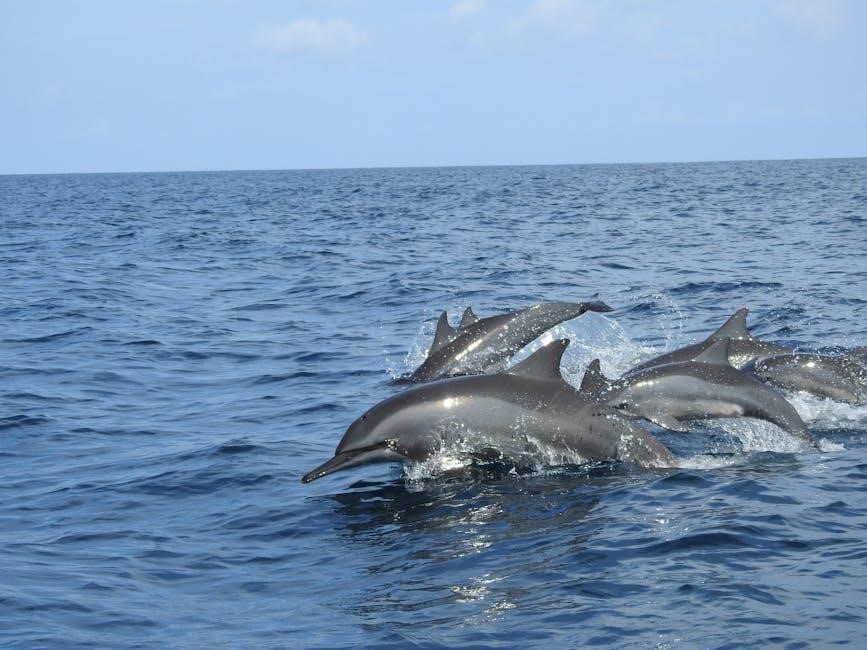
The blue dolphins, recurring as a motif, represent freedom, companionship, and a connection to the natural world․
Karana’s crafted possessions – clothing, shelter, weapons – symbolize her adaptation and survival skills․
Analyzing the PDF allows for close reading of how these symbols evolve alongside Karana’s journey․
The sea otter, a frequent companion, embodies trust and the possibility of interspecies connection․
O’Dell’s use of symbolism isn’t overt; it’s subtly woven into the narrative, rewarding careful readers of the PDF․
The PDF format facilitates detailed examination of these motifs and their contribution to the novel’s deeper meaning․
Editions and Adaptations
Island of the Blue Dolphins exists in various editions, including a readily available PDF version from the Internet Archive for convenient access․
The University of California Press released a complete reader’s edition, also in PDF format, alongside the original 1960 publication․
The Original 1960 Edition
Island of the Blue Dolphins, first published in 1960, quickly garnered acclaim and remains a cornerstone of young adult literature․ While physical copies of this original edition are widely available, a digital version in PDF format is also accessible through resources like the Internet Archive․
This initial publication, penned by Scott O’Dell, established the captivating narrative of Karana’s survival․ The PDF version allows readers to experience the story as it was first presented, offering a glimpse into the literary landscape of the time․
However, it’s important to note that the 2016 Complete Reader’s Edition from the University of California Press incorporates excised chapters and provides extensive contextualization․ The original PDF, while valuable, lacks these additions․ Accessing the 1960 edition in PDF format provides a foundational understanding before exploring the expanded version, allowing for a comparative analysis of O’Dell’s work and its evolution․
The Internet Archive’s offering ensures preservation and accessibility of this classic tale for generations to come, in a convenient, shareable PDF format․

The Complete Reader’s Edition (2016) ‒ University of California Press
Published by the University of California Press in 2016, this edition of Island of the Blue Dolphins represents a significant scholarly undertaking․ It’s available in PDF format, alongside other digital options, offering a more comprehensive reading experience than the original 1960 publication․
This edition notably includes chapters excised from the first edition, providing a fuller understanding of O’Dell’s original vision․ Furthermore, it features extensive drafts, commentary, and contextualization, including archaeological insights related to the “Lone Woman of San Nicolas Island” who inspired the story․
The PDF version allows researchers and avid readers to delve deeply into the novel’s creation and historical background․ Its ISBN is 9780520289376, and it’s designed for both cloth and digital formats․ Accessing this edition in PDF form facilitates detailed study and comparison with the earlier version, revealing the author’s process and the evolution of this beloved tale․
This scholarly edition elevates Island of the Blue Dolphins beyond a simple adventure story, offering a rich and nuanced literary experience․
Availability in PDF and Digital Formats
Island of the Blue Dolphins enjoys widespread availability in various digital formats, most notably as a PDF․ The Internet Archive offers a downloadable PDF version, alongside EPUB and DAISY formats catering to diverse reading preferences and accessibility needs․
The University of California Press’s complete reader’s edition (2016) is also readily accessible in PDF, providing access to excised chapters, drafts, and scholarly commentary․ Progeny Press provides a PDF study guide, instantly downloadable, designed to enhance comprehension and literary analysis․
These PDF options allow for convenient reading on multiple devices, printing for study purposes, and easy sharing with students and fellow enthusiasts․ The digital formats ensure the story’s enduring legacy, making it accessible to a global audience․
Whether seeking the original text or the expanded scholarly edition, a PDF version of Island of the Blue Dolphins is easily obtainable online․